Who we are
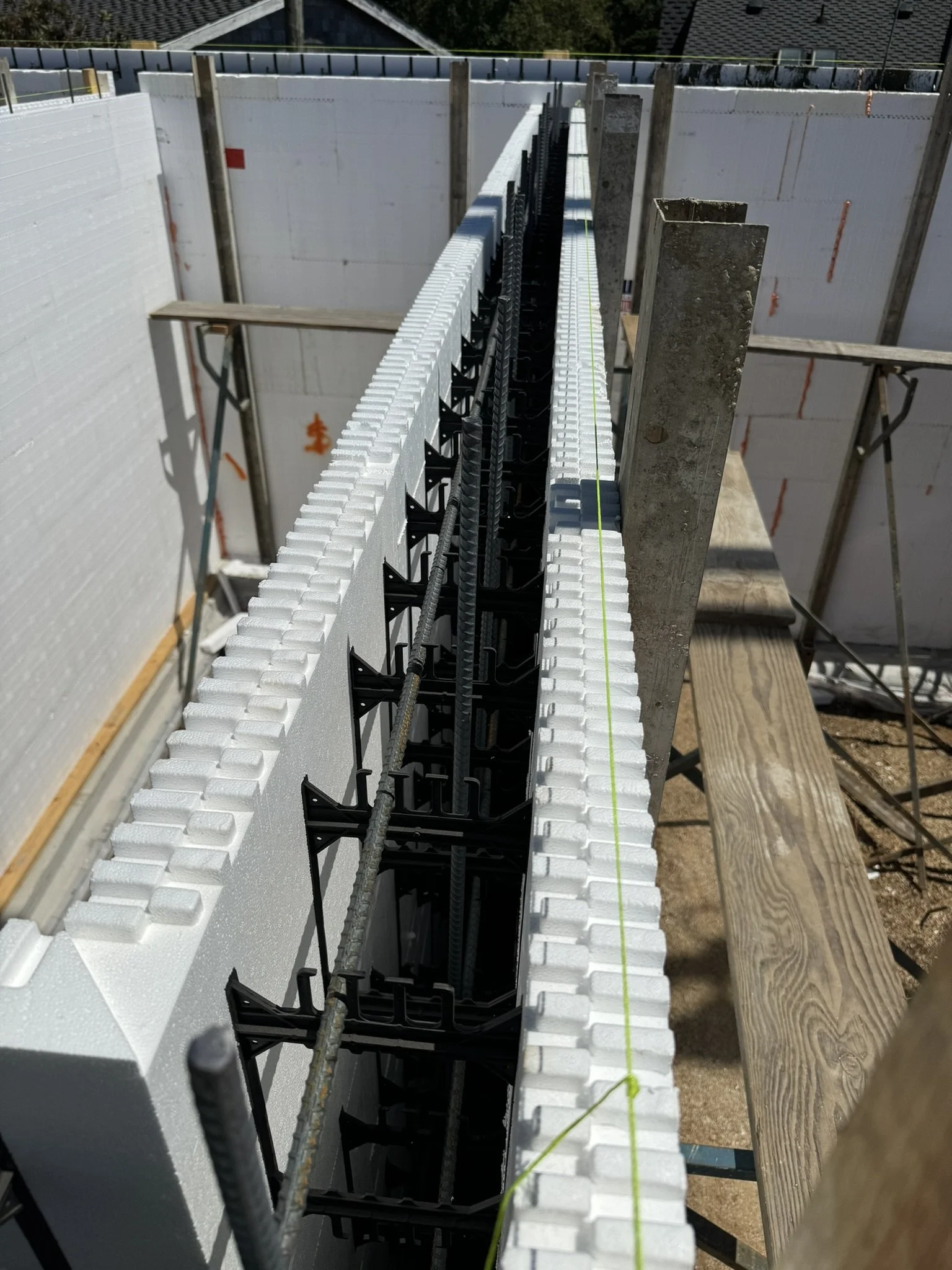
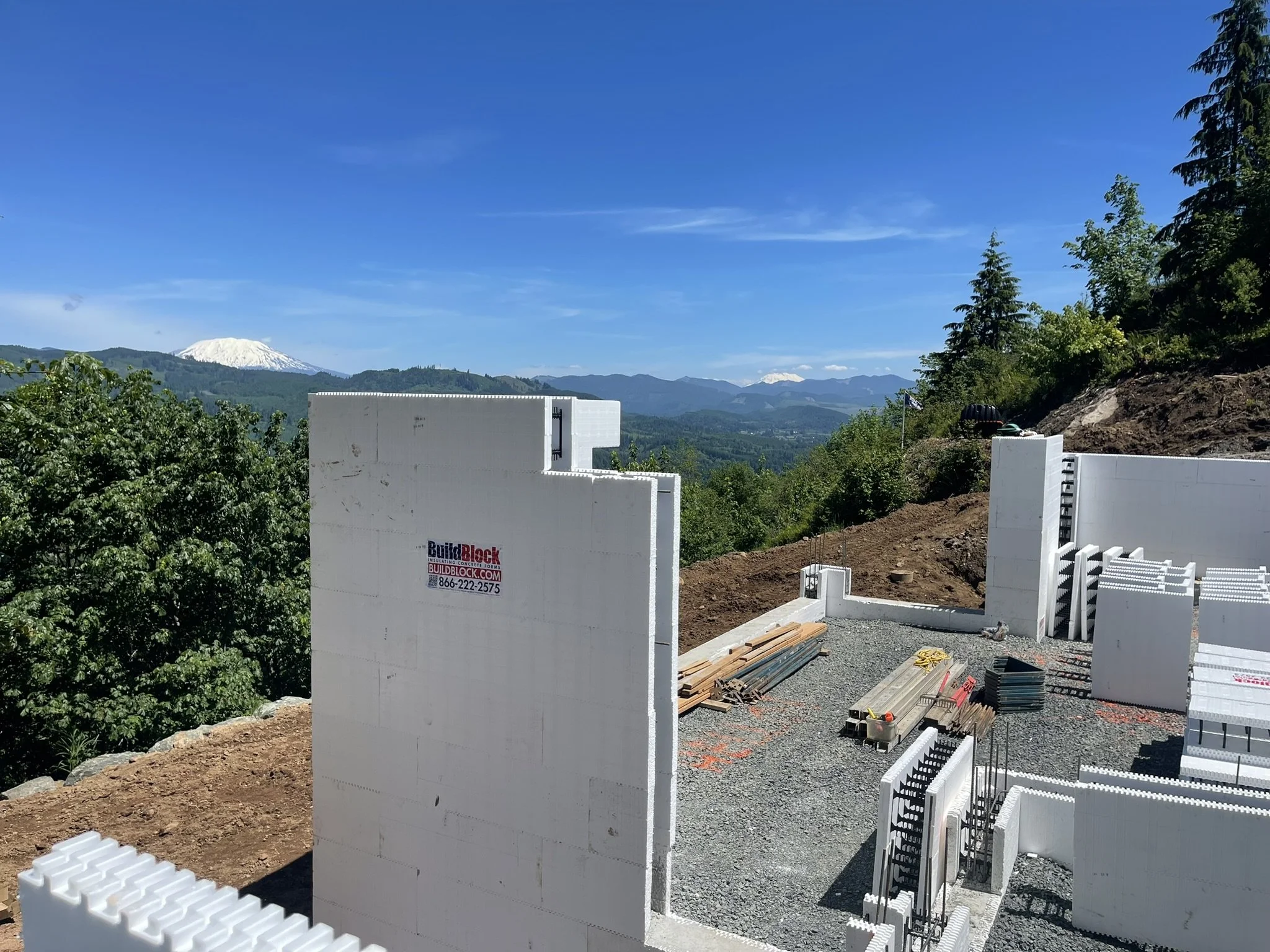
Our company is dedicated to providing the Pacific Northwest with superior quality insulated concrete forms and supplies that enhance the energy efficiency and durability of their projects. Dedicated to maintaining industry benchmarks, our team consistently aims to surpass client expectations with an exceptional work ethic and meticulous attention to detail. We aim to educate clients and the community on the benefits and proper installation of ICF to promote safer, more durable, and energy-efficient buildings.
Frequently asked questions
-
Upfront, slightly. Over time, homeowners save significantly on energy and maintenance.
-
Yes! ICF works well with all traditional interior and exterior finishes.
-
No. Electricians and Plumbers are able to preset any block outs before concrete is poured and foam is easily cut out to run wiring or pipes when the time comes. sheet rock and siding are able to be fastened to strips embedded in the foam form.
-
Absolutely! ICF homes are perfect for projects near busy freeways, airports, or for music studios and shooting ranges.
Why Build with BuildBlock ICF?
Stronger. Quieter. More efficient. BuildBlock Insulated Concrete Forms deliver a modern building system that outperforms traditional wood framing in every major category that matters to homeowners.
Strength & Safety
BuildBlock ICF: Steel‑reinforced concrete walls create a solid, disaster‑resistant structure built to withstand extreme wind, fire, and seismic forces.
Traditional Wood Framing: Lightweight and vulnerable to wind, fire, pests, and long‑term structural wear.
Energy Efficiency
BuildBlock ICF: Continuous insulation + thermal mass = dramatically lower heating and cooling costs. Homes stay comfortable year‑round with less energy use.
Traditional Wood Framing: Thermal bridging through studs reduces efficiency and increases utility bills.
Fire Protection
BuildBlock ICF: Concrete core and fire‑resistant foam deliver exceptional fire ratings and peace of mind.
Traditional Wood Framing: Combustible materials offer limited fire resistance.
Soundproof Living
BuildBlock ICF: Thick concrete walls and insulation block outside noise for a quieter, more peaceful home.
Traditional Wood Framing: Sound easily travels through lightweight wall assemblies.
Long‑Term Durability
BuildBlock ICF: No rot, no termites, no mold inside the wall system. Minimal maintenance for decades.
Traditional Wood Framing: Susceptible to moisture damage, pests, warping, and ongoing repair costs.
Disaster Resilience
BuildBlock ICF: Engineered to perform in hurricanes, wildfires, earthquakes, and flooding.
Traditional Wood Framing: Not designed for extreme conditions; easily damaged.
Construction Efficiency
BuildBlock ICF: Blocks stack quickly, combining framing, insulation, and air sealing into one step.
Traditional Wood Framing: Multiple steps and trades required; performance depends heavily on workmanship.
Cost Over Time
BuildBlock ICF: Slightly higher upfront cost, but major savings in energy, maintenance, and longevity.
Traditional Wood Framing: Lower initial cost, higher lifetime expenses.
Finish Compatibility
Both systems support any interior or exterior finish—drywall, siding, stone, brick, stucco, and more.